
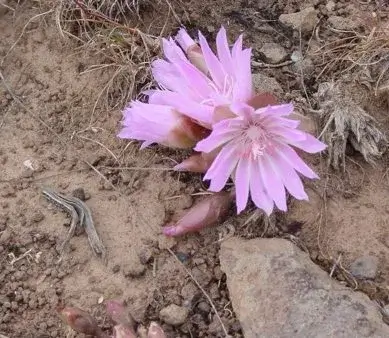
Native Plant Landscaping
Redding, Shasta County, CA
Hadaa · Real Projects
See your yard redesigned before you hire
 Garden Design
Cottage Garden Design with Lawn
See the full project →
 Garden Design
Modern Garden Design with Lawn
See the full project →
 Garden Design
Coastal Garden Design with Lawn
See the full project →
Native Plant Landscaping is a licensed landscaping contractor based in Redding, Shasta County, California. Holding CSLB license #1113700 with a CLEAR status, the business has been licensed for 2 years and operates as a Sole Owner.
Services & Specialties
Native Plant Landscaping specializes in creating sustainable and ecologically sound outdoor spaces. Their services include:
- Xeriscape Landscaping: Designing low-maintenance, water-efficient landscapes using drought-tolerant plants.
- Native Plant Landscaping: Enhancing biodiversity and natural beauty with plants adapted to local ecosystems.
- Ecological Restoration: Re-establishing damaged ecosystems through diverse native plant mixes.
- Landscape Design: Custom designs integrating aesthetics, sustainability, and ecological principles tailored to each property.
- Planting & Installation: Professional installation of designed landscapes.
- Maintenance & Weed Control: Ongoing services including weed control, trimming, and plant health checks to ensure landscape flourishing.
- Specialized Botanical Services: Agricultural cover crops, botanical and ecological research, botanical surveys, landfill cover revegetation, seed collection and processing, plant propagation, and plants for sale.
- Educational Programs: Guided botanical hikes and educational programs designed to connect communities with native plants and local ecosystems.
- CSLB Classification: C27 Landscaping Contractor.
Service Area
Native Plant Landscaping serves homeowners and properties in Redding, Shasta County, California.
What Sets Them Apart
Native Plant Landscaping distinguishes itself through a deep commitment to ecological principles and a science-backed approach. Founded by Dr. Steven O. Link, a professional botanist with 24 years of experience, the company leverages extensive expertise in plant ecology and ecosystem restoration. Dr. Link’s background includes work at the Pacific Northwest National Laboratory and Washington State University, alongside leadership roles in ecological societies. This expertise allows them to go beyond traditional landscaping, focusing on repairing damaged ecosystems and creating sustainable, biodiverse outdoor spaces. Their services emphasize water conservation, reduced maintenance, and cost efficiency, aiming to reintroduce nature and reduce reliance on irrigated turf grass. They also offer educational programs, including botanical hikes, to foster community connection with native plants.
Licensing, Bond & Insurance
For homeowner assurance, Native Plant Landscaping holds an active California CSLB license #1113700, which is currently in CLEAR status. The business has been licensed for 2 years as a Sole Owner under the C27 Landscaping Contractor classification. A contractor bond of $25,000 is in place, provided by AMERICAN CONTRACTORS INDEMNITY COMPANY. It is noted that workers’ compensation insurance is not active for this contractor.
Frequently Asked Questions
- What is xeriscape landscaping?
Xeriscape landscaping is a water-efficient method utilizing drought-tolerant plants, mulch, and smart irrigation to create beautiful, low-maintenance outdoor spaces while conserving water. - How is native plant landscaping different from xeriscaping?
While xeriscaping focuses on water conservation, native plant landscaping specifically uses plants adapted to the local region to restore ecosystems, support local wildlife, and thrive naturally in the local climate. - How much maintenance do native landscapes require?
Once established, native plant landscapes require minimal maintenance, typically needing no mowing, fertilizing, or regular watering beyond the initial setup. - Do you offer landscape design services?
Yes, custom landscape designs are provided, tailored to combine aesthetics, sustainability, and ecological restoration for each property.
Working in Redding
Climate & hardiness zone
Redding sits in USDA Plant Hardiness Zone 9b, with winter minimum temperatures of 25–30°F. This means a true dormant season — lawns and most perennials slow significantly from December through February. Contractors experienced in Zone 9b know to schedule irrigation shutdown before first frost, design planting schemes around the zone's long dry summers, and recommend drought-tolerant species that handle both the heat and the occasional cold snap. Ask any contractor you hire whether their plant selections are rated for Zone 9b minimums.